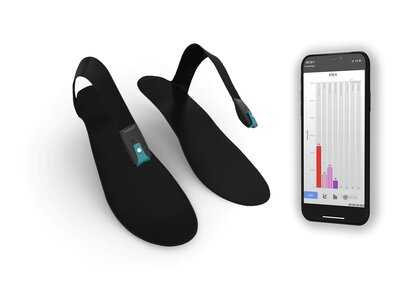
loadsol®
Truly mobile in-shoe force measurement for gait, rehabilitation and sport, with 1-, 2- or 3-zone layouts.

novel force sensors
Measure loads in footwear, at the hand and between objects with novel's flexible capacitive sensors.
Soft force interfaces
Force measurement between two objects is an important and fundamental part of mechanics. When the objects are soft, the measurement becomes more complex because simple linear relationships, for example between force and displacement, no longer apply.
As soft structures deform, the applied load is distributed across the contact area. A suitable force measurement sensor must therefore determine the precise total force from a distributed force field without changing the system being measured.
Applications
The measurement of forces in mechanical systems is the basis for studying and developing mechanically stressed objects. This includes biomechanics, statics, engineering dynamics, kinetics, weight-bearing analysis, load symmetry, gait analysis, sports science, medicine, ergonomics and related fields.
In contrast to pressure distribution measurement, force measurement of soft objects focuses on the load of the whole system rather than only the deformation of a local subsystem. It is therefore an optimal choice for investigating static and dynamic loads on complete systems.
Measurement quality
Precise and accurate sensors for measuring force on soft objects require demanding technology. The contact area should be covered as completely as possible to prevent force bypass. The sensor should also be calibratable and adjustable so that static and dynamic measurements remain reproducible.
A measuring system is suitable when signal drift is low enough for the measurement task and duration.
Hysteresis should be as low as possible, or at least appropriate for the required measurement precision.
A constant displacement-force behavior helps make the sensor response interpretable and repeatable.
Resistive sensors are not suitable for measurements with more than five cycles, and piezo sensors are not suitable when force is applied both dynamically and statically.
Product portfolio
Truly mobile in-shoe force measurement for gait, rehabilitation and sport, with 1-, 2- or 3-zone layouts.
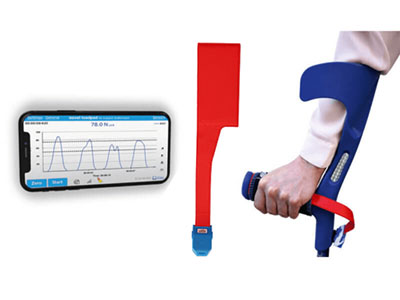
Total force between soft or hard objects with flexible calibrated sensors.
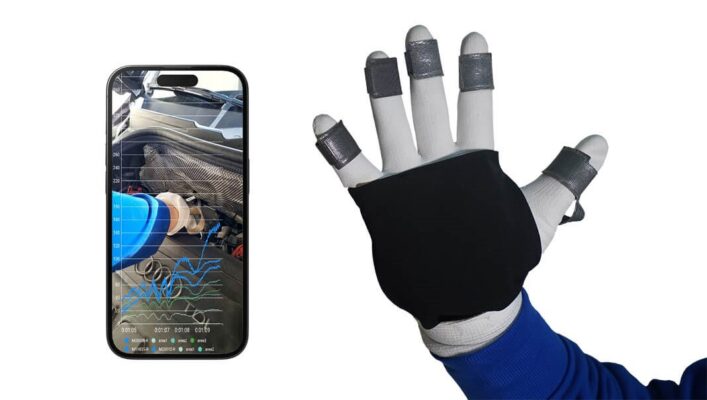
Hand and finger force measurement for ergonomics, interaction and workflow analysis.
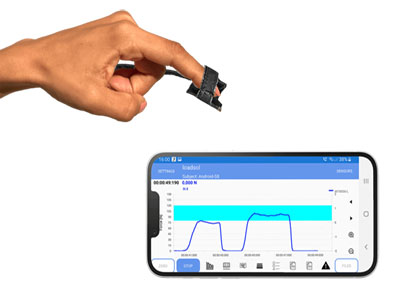
Precise finger force measurement for buttons, switches and interfaces.
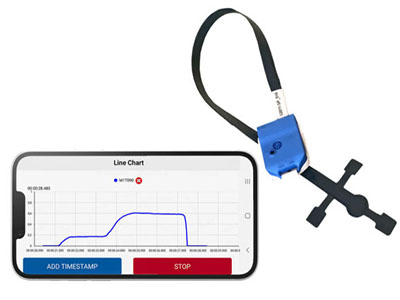
Mobile load measurement under textiles, garments and compression interfaces.
| System | Measurement interface | Typical measurement questions |
|---|---|---|
| loadsol | Foot to shoe | How does total or regional foot loading change during walking, running or footwear testing? |
| loadpad | Between contacting objects | How much force is transmitted across a soft, deformable or hard contact surface? |
| loadglove | Hand and finger contact | How is hand force applied during gripping, tool use and object handling? |
| buttonsens | Fingertip to button or switch | How much finger force is needed to operate a control or interface? |
| texsens | Body to textile or wearable | How does local contact load change with garment fit, support or movement? |
Sensor selection
A sustained support load and a brief impact place different demands on a force measurement system. For static measurements, consider signal stability over the recording period. For dynamic tasks, select a sampling rate that captures the changes in force relevant to your analysis.
Match the sensor's shape, measurement range and contact coverage to the interface. Then define whether you need total force or separate sensing regions, and how the recording will be synchronized with other measurements.
Measurement choice
Force describes the load transmitted through an interface, usually in newtons. Pressure describes force per unit area. Two contacts can transmit the same total force while producing different local pressure peaks.
Choose force sensing when the question concerns total or regional loading. For detailed spatial pressure patterns, explore novel's pressure mapping systems. The measurement question determines the appropriate sensor resolution.







Product videos
Short videos from novel help visitors understand how wireless force sensors are positioned, recorded and used for feedback across footwear, hand, textile and surface-contact applications.
loadsol captures force data during real movement in footwear.
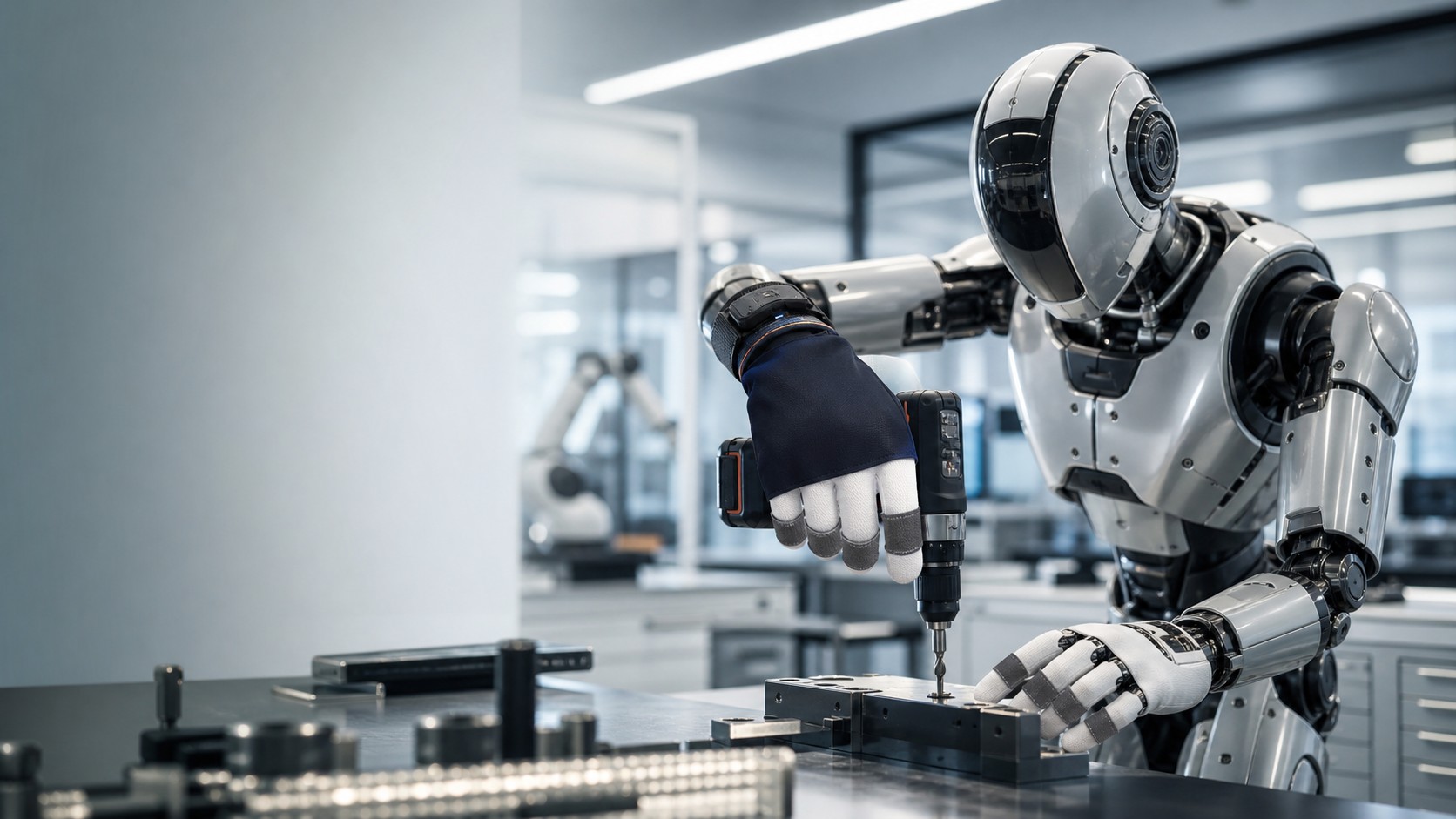
Training physical AI and robots utilizing loadglove
Tell us about your application and we will help identify the right force measurement setup.